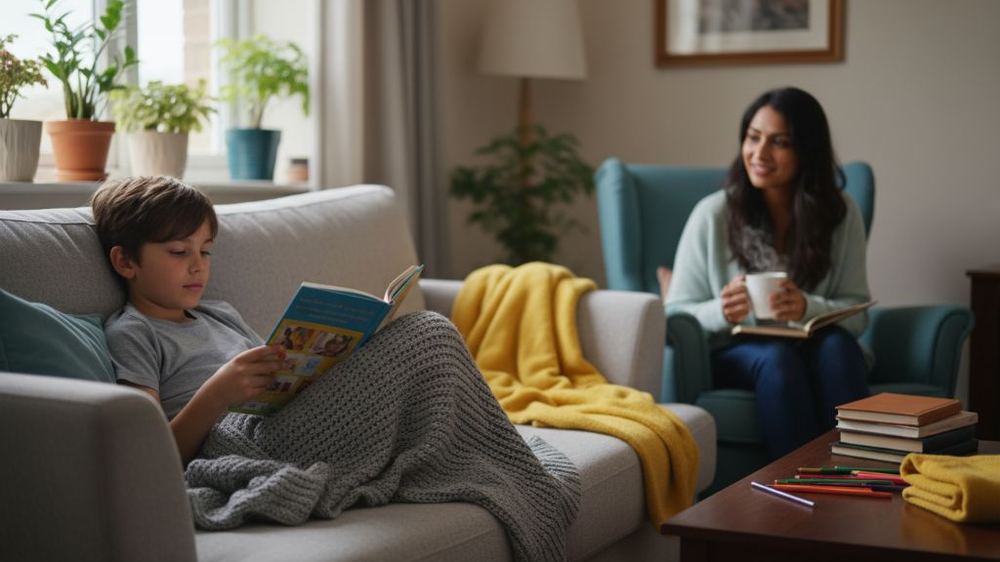
The child in front of you is the curriculum.
Every plan I have written that ignored who they actually are was abandoned inside a fortnight. Start with the child and the plan survives contact with a Wednesday.
This is the longer version: how we ended up home educating, what it cost, and what changed. The difficult parts are still in it, because a version without them is no use to anyone who is deciding.
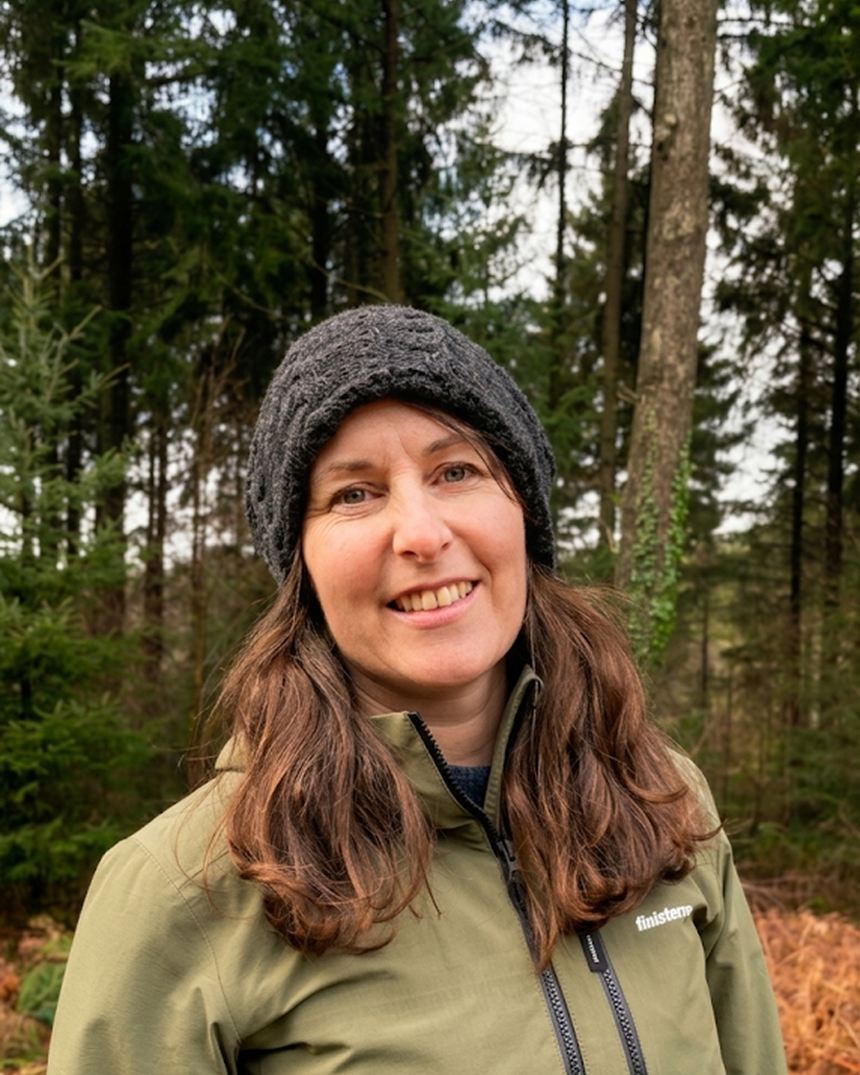
Anna outdoors in winter woodland, three-quarter length, wrapped up. Bare trees, low light. Adults only. Documentary, no filter.
Photography brief
Five chapters
In 2020 the kitchen table became the classroom, the way it did for almost everyone. I expected to hate it. What I noticed instead was that a slower pace and one-to-one attention suited them, and that a morning could hold more learning than a whole day at a desk.
I filed that away as a curiosity of an odd year. I was not thinking about home education. I was thinking about getting through the week.
We had a school in mind. It did not work out. That is a sentence I can write calmly now, and it was not calm at the time — it was weeks of phone calls, and the particular fear that comes from running out of options for your own child.
Home education started as the thing left on the table rather than the thing we chose. I want to be honest about that, because a lot of families arrive the same way and are then told they should have felt more certain.
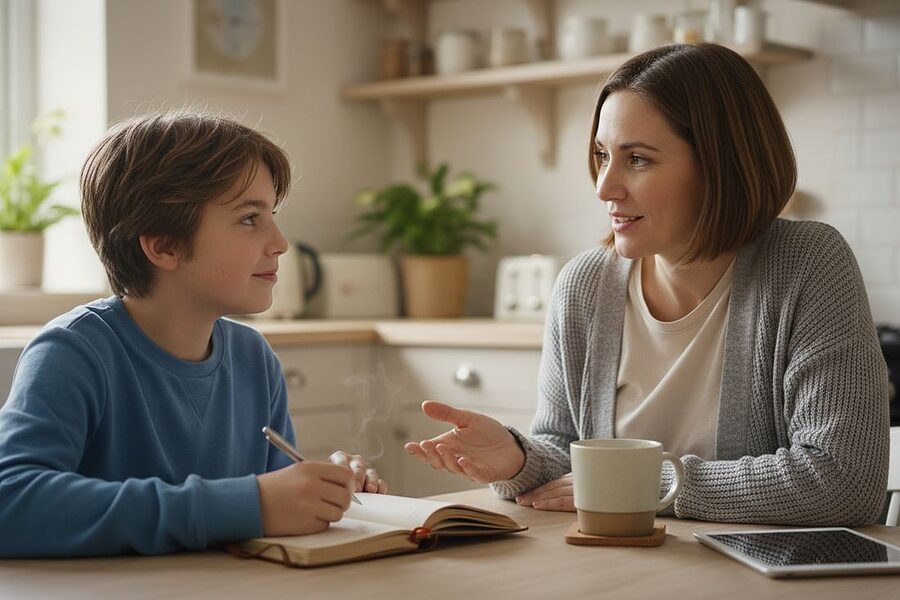
A kitchen table in the first weeks after leaving school: an adult and a child working side by side, papers, no timetable on the wall.
Photography brief
Somewhere in the first term it stopped being a fallback. We sat down and looked at what each of them actually needed rather than what a year group said they should be doing, and decided to keep going deliberately.
That is the moment I would point to if you asked when we became a home-educating family. Not the deregistration letter. The evening we stopped treating it as temporary.
The academic side improved, which I had hoped for and was still relieved by. What I had not expected was the rest of it: a house with less friction in it, mornings that did not start with an argument, and the slow return of children who wanted to tell me things.
I would not claim that for everyone. I would say it is the part nobody warned me about, and the part I would miss most.
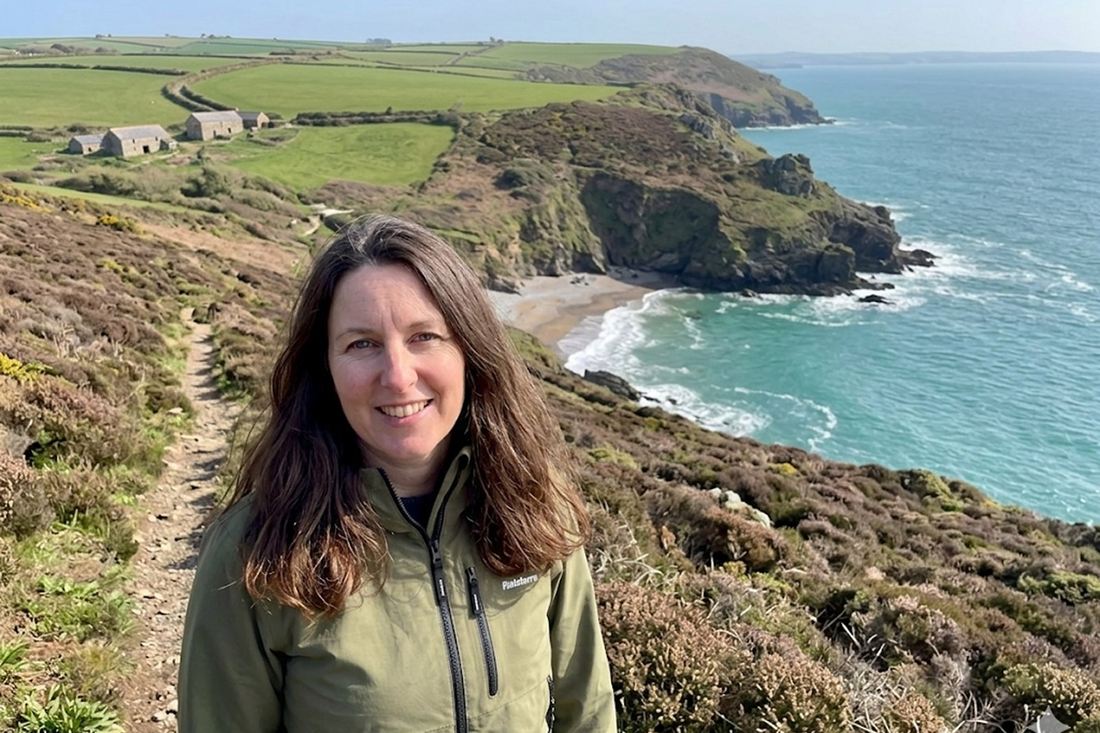
Anna on a coast path in spring, mid-distance, the sea behind. Weather as found. Adults only.
Photography brief
Groups, tutors, workshops, trips. All of it existed within half an hour of us, and almost none of it was findable — three Facebook groups, a WhatsApp thread and somebody's word of mouth.
I spent more time looking for things than doing them. That gap is what Termly came out of, and it is why I now write this stuff down instead of assuming everyone else has already worked it out.
Where this comes from
I home educate my own children, including through the terms that went badly. Nothing here is theory which has not survived a Tuesday afternoon falling apart.
Primary and secondary, state and independent. I know what school is trying to do and exactly where it runs out of room, which is worth knowing before you decide to leave it.
I helped start Termly because finding a group or a tutor took three Facebook groups and a rumour. It is in development rather than finished, and I will say so every time.
Every plan I have written that ignored who they actually are was abandoned inside a fortnight. Start with the child and the plan survives contact with a Wednesday.
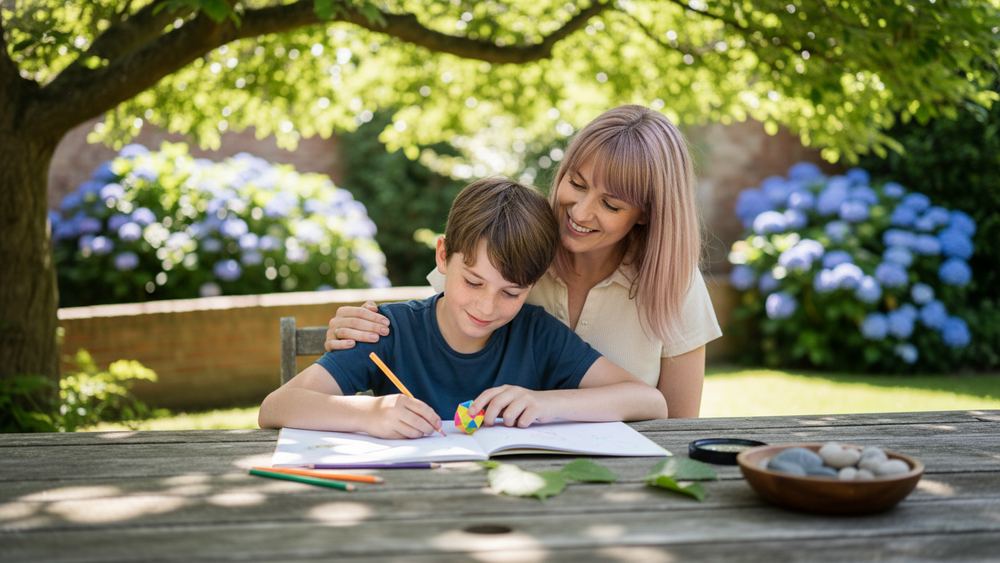
A child who believes they can learn will catch up on anything. A child who has decided they are bad at it will not, however good the resource is.
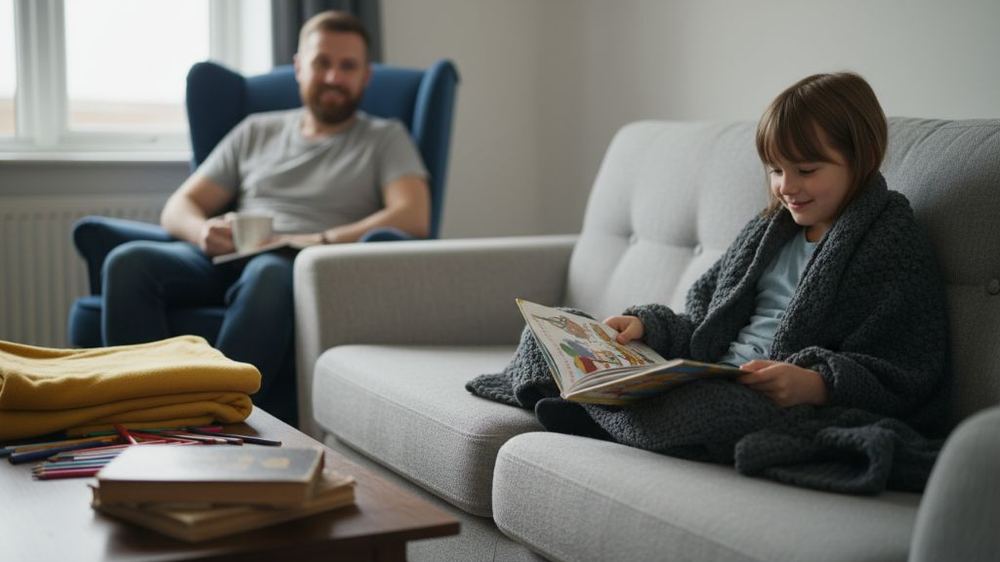
We do less than most timetables would suggest and cover more than I expected. Rushing is the thing that costs us, every single time.
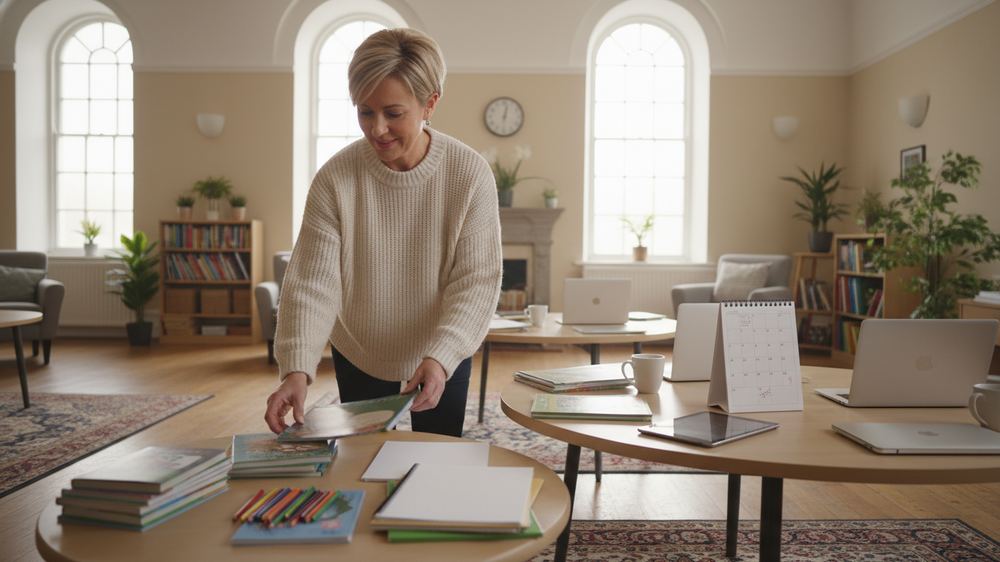
Choosing this is not a vow. We have changed how we do it twice, and each change made it better rather than admitting defeat.
Now
Four children, at different stages, in the same house. Most of what I write starts as something that happened here first.
Conversations with other home-educating families, and what I am learning as I go. Guests who did it differently to me, on purpose.
Still building the thing that fixes the finding problem. In development rather than finished.
If you are deciding
They are the ones I did not know to ask. Answering them honestly will tell you more than another fortnight of reading, whichever way you end up going.
A free guide
Know Your Why