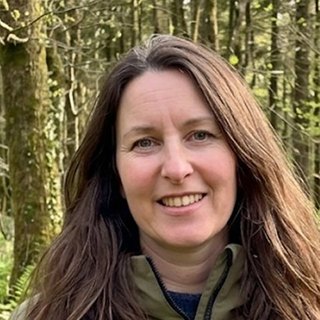
WHAT IS SCHOOL
ACTUALLY FOR?
ACTUALLY FOR?
The bigger questions
What is school actually for?
Not a criticism of schools. A question about what we have quietly asked them to do, and whether any one building can do all of it.
A YouTube channel from Anna Kemp
Long conversations about home education — with educators and researchers, with families doing it in completely different ways, and on my own about what has actually worked here.
It is for you if you are wondering whether school is still the right place for your child, if you started last month and cannot tell whether you are doing enough, or if you have been at this for years and want someone else’s thinking for an hour.
The channel is being set up now — this is where the link will be.
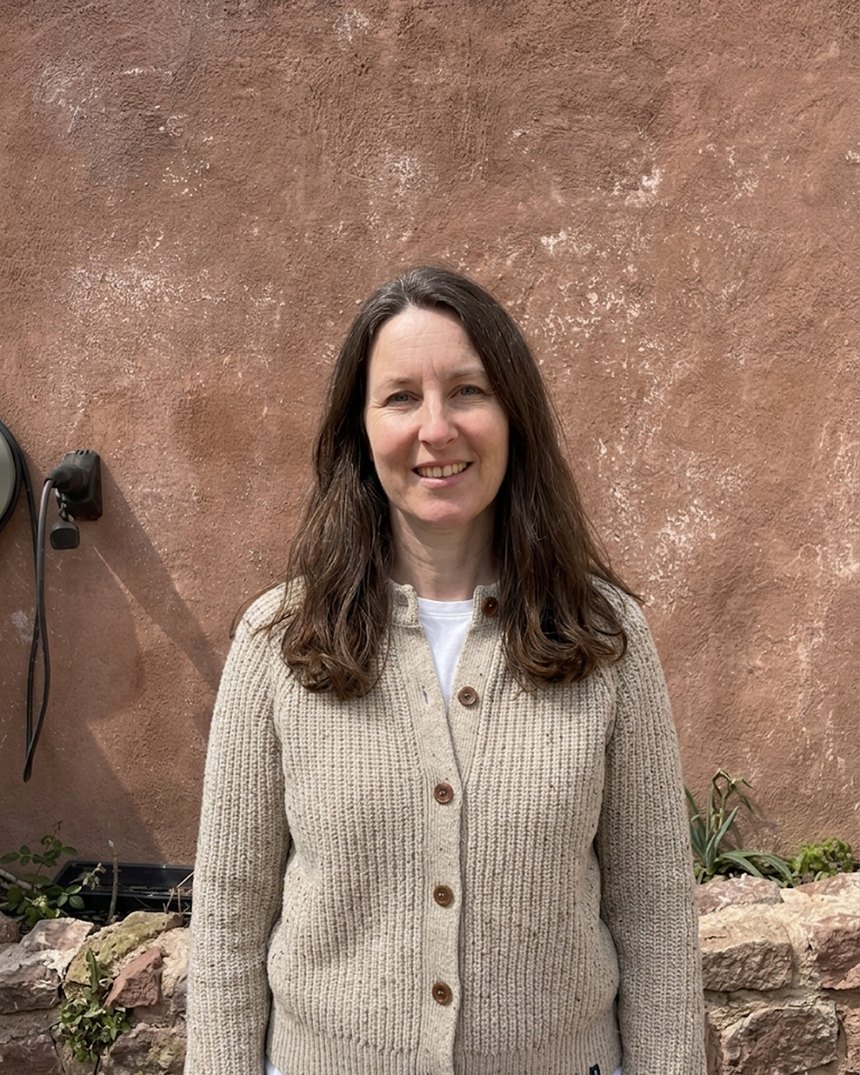
Educators, researchers, SEND specialists and people who run home-ed communities. I ask the questions I was asking myself two years ago, and I let the answer take as long as it takes.
Direct to camera, about this house rather than about home education in general. Specific enough to be useful, including the parts that did not work.
What learning outside school asks of all of us — curriculum, confidence, qualifications, and what childhood needs to contain. Curious rather than combative.
Four episodes that explain what this channel is for. If you only watch one, watch the first.
Not a criticism of schools. A question about what we have quietly asked them to do, and whether any one building can do all of it.
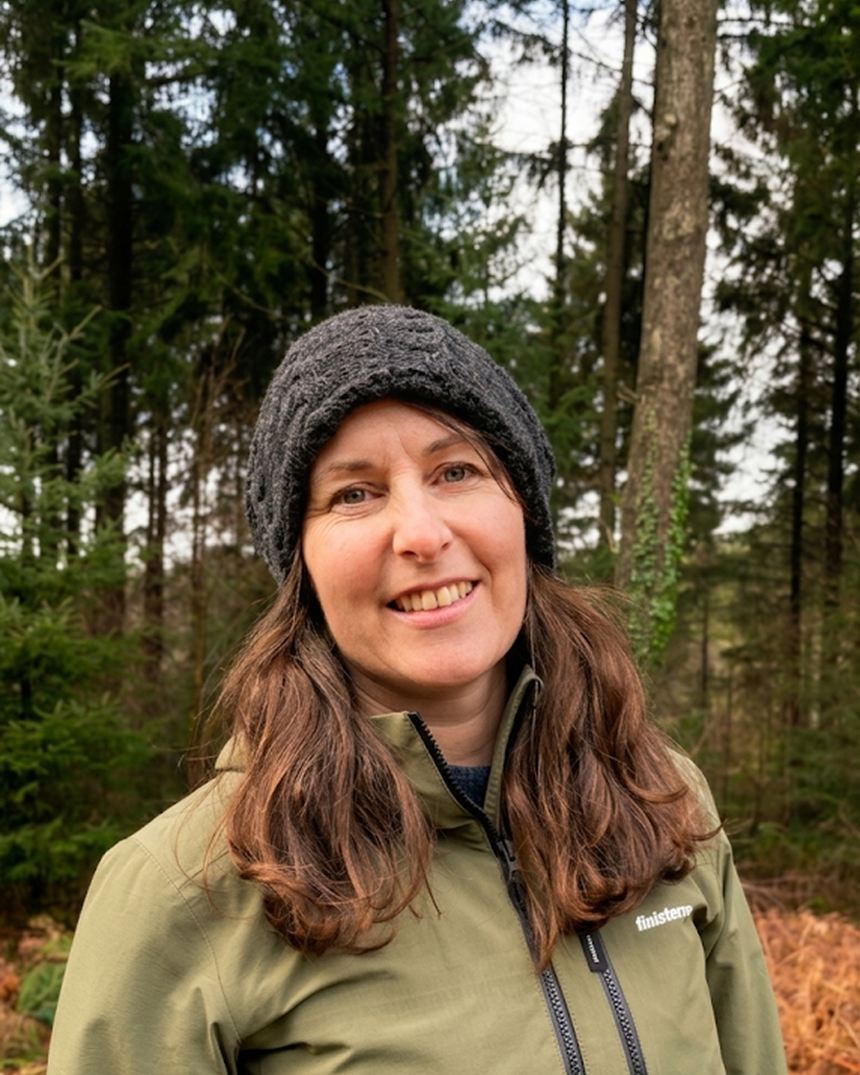
The one I still ask myself on a Thursday afternoon, and the three things that actually settle it.
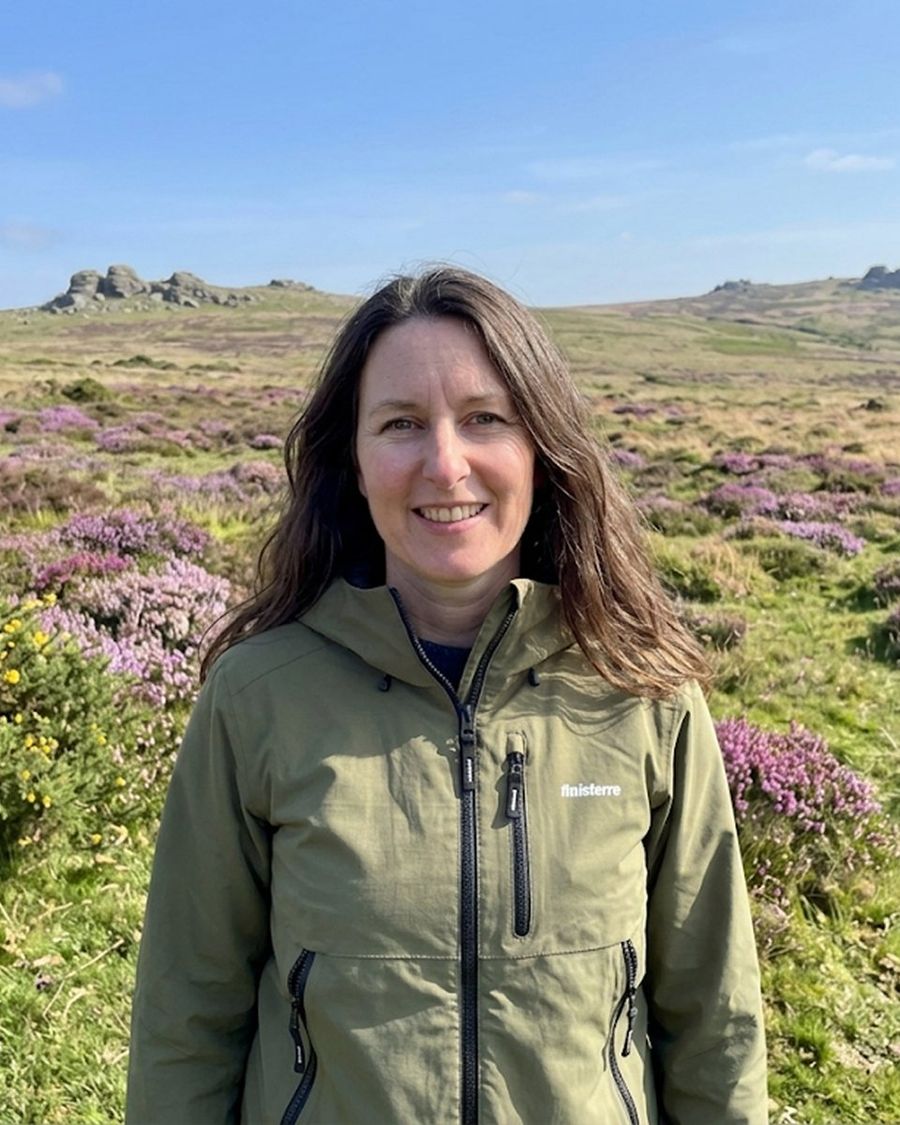
 Guest to be
A conversation about disengagement, and the difference between a child who cannot and a child who will not.
What our week actually contained in those first three months, including the fortnight I would do completely differently.
The question everyone asks first. I take it seriously, then look at what our diary actually holds in a normal week.
On preparing children for work we cannot describe yet, without turning childhood into training.
Less friction, fewer arguments before nine, and more learning than the timetable ever produced. I did not expect that trade.
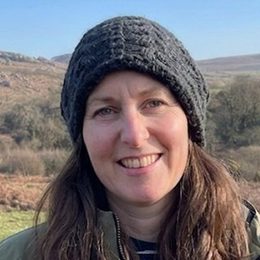
Where the standard route works, where it stops working, and how to tell which one you are looking at.
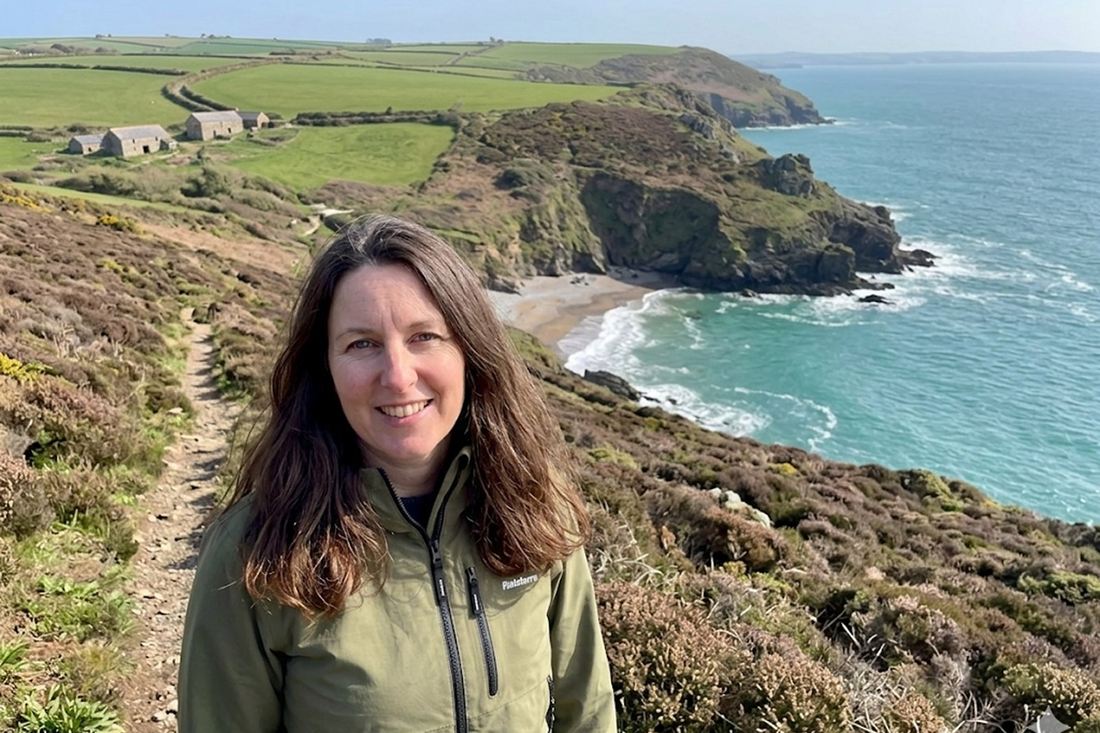
The things I worried about that did not matter, and the two I dismissed that turned out to.
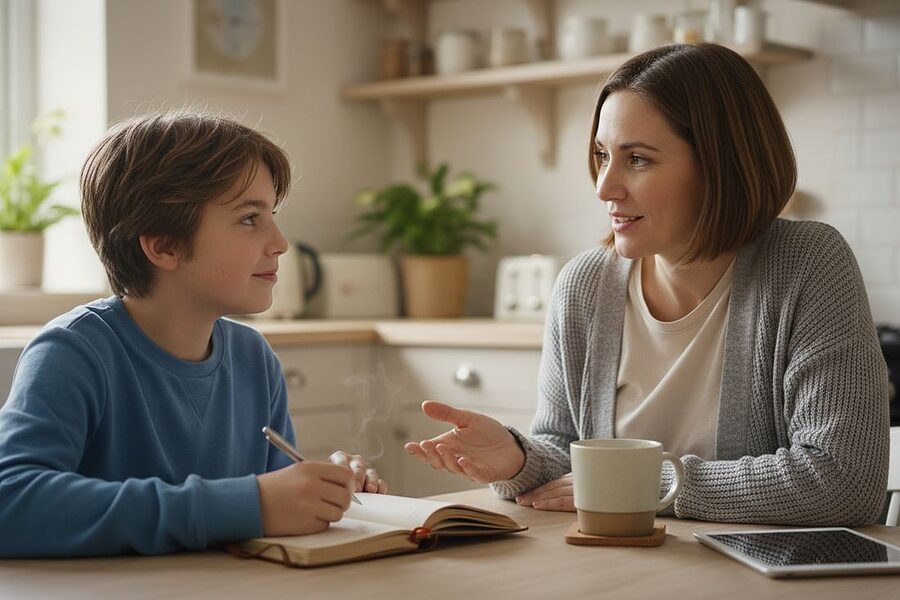 Guest to be
A conversation about school distress — how families notice it, what they tried first, and how the decision actually got made.
Educators, researchers, SEND specialists and community leaders. Long enough to say something.
Guest to beA conversation about disengagement, and the difference between a child who cannot and a child who will not.
Guest to beA conversation about school distress — how families notice it, what they tried first, and how the decision actually got made.
Direct to camera, about our house rather than about home education in general.
The one I still ask myself on a Thursday afternoon, and the three things that actually settle it.
What our week actually contained in those first three months, including the fortnight I would do completely differently.
Less friction, fewer arguments before nine, and more learning than the timetable ever produced. I did not expect that trade.
The things I worried about that did not matter, and the two I dismissed that turned out to.
What learning outside school asks of all of us — curious rather than combative.
Not a criticism of schools. A question about what we have quietly asked them to do, and whether any one building can do all of it.
On preparing children for work we cannot describe yet, without turning childhood into training.
Where the standard route works, where it stops working, and how to tell which one you are looking at.
There are as many ways to home educate as there are families doing it. New conversations arrive when they are worth having, and not otherwise.
As soon as the first conversation is up, the subscribe button appears here.
A free guide
Know Your Why